1995 – 2001 Early Web / GeoCitiesBest viewed in Netscape Navigator 4.0 at 800×600 resolution · 256 colors · Turn on your speakers!!! Raw HTML, guestbooks, and under construction GIFs | |
NEW! You have found the Early Web wing!!! The dawn of personal web publishing when anyone could build a homepage with table layouts, tiled backgrounds, hit counters, and unfiltered creative chaos — before CSS or formal des… >> Sign my guestbook below · Email the webmaster · MIDI on!!! | |
You are visitor # * since 1996 * | |
Early Web / GeoCities
1995 – 2001
NEW! About This Wing
Step inside the chaotic, heartfelt web of 1995–2001 — an era of tiled backgrounds, visitor counters, guestbooks, and homepages built with raw HTML tables. No CMS. No design system. Just pure expression.
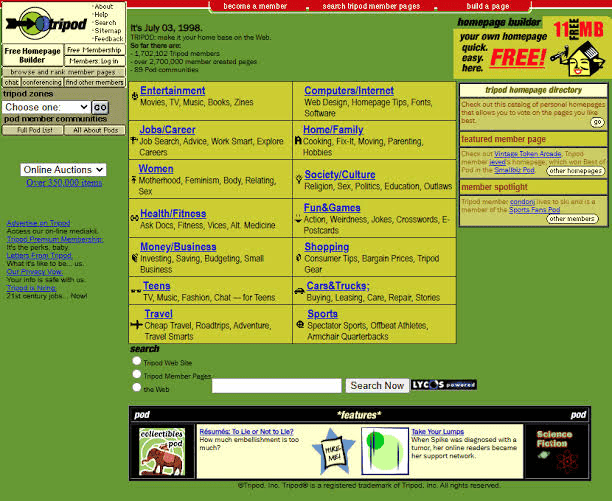
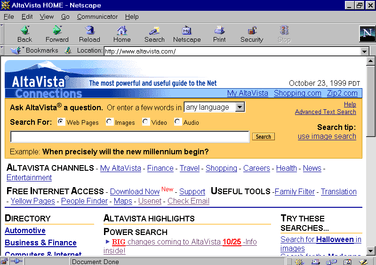
>> Exhibits include Netscape chrome, Yahoo! directories, and neighborhoods like Hollywood and Area51.
— Exhibit Highlights —
- GeoCities Homepages — Tiled GIFs, MIDI autoplay, and guestbook links on every page.
- Netscape Navigator — The browser that taught the world to click hyperlinks.
- Yahoo! Directory — Humans curated the web before algorithms did.
✍ Sign My Guestbook! ✍
| Historical Background |
|---|
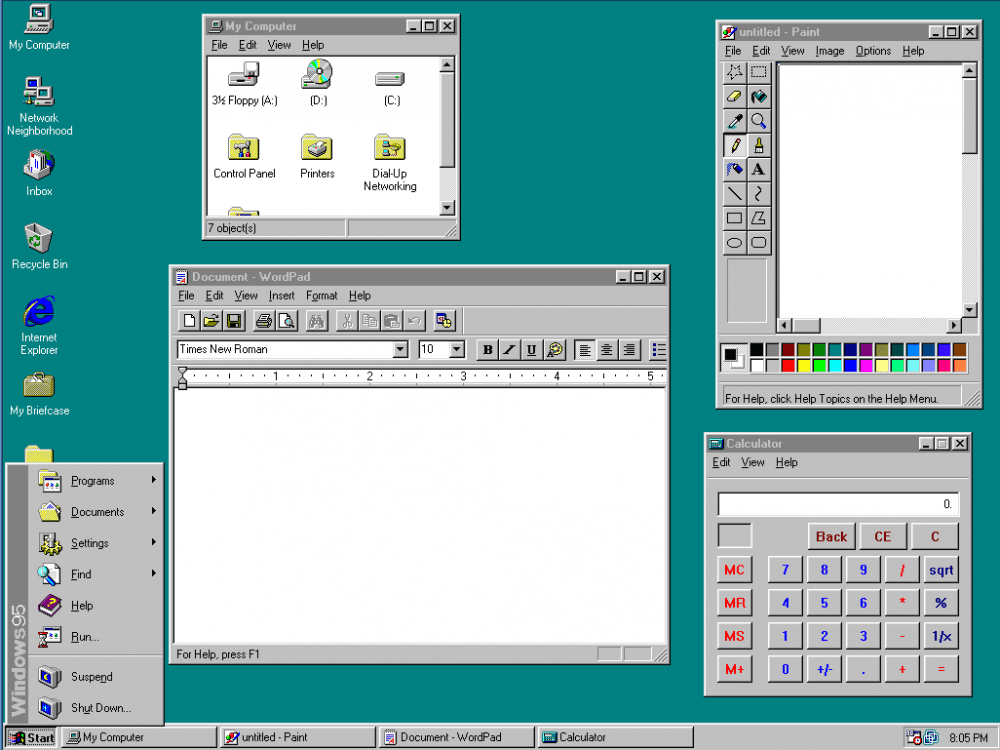
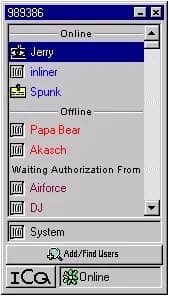
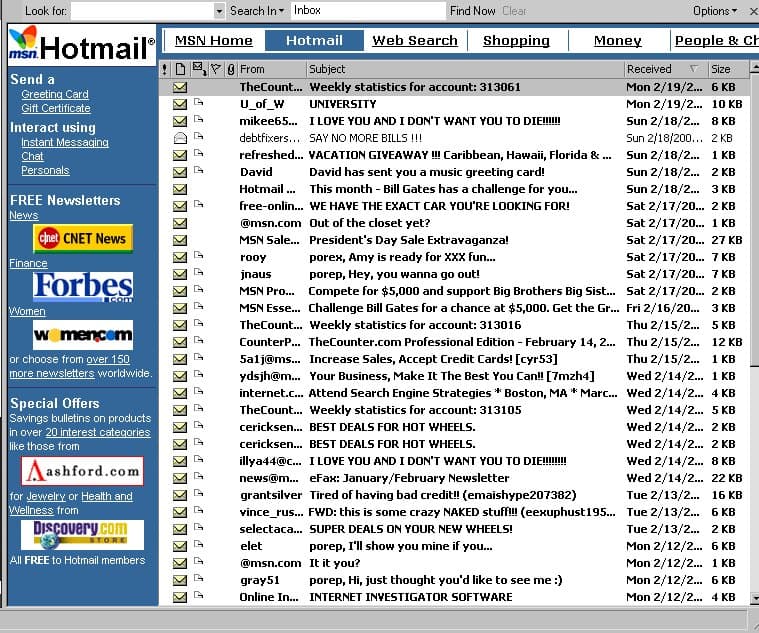
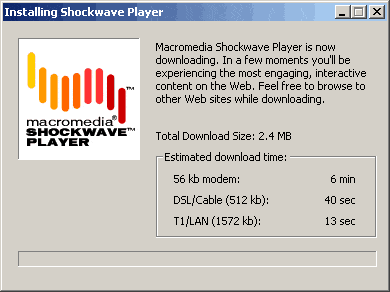
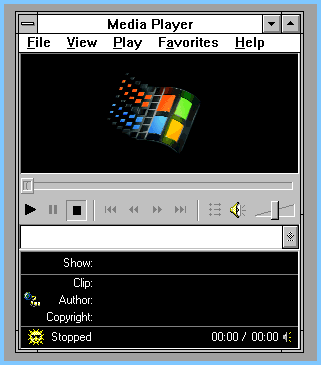
The early web was not designed — it was discovered. Before CSS, frameworks, or design systems, millions of non-technical users taught themselves HTML and published pages from their bedrooms. Platforms like GeoCities (1994) organized the web into virtual neighborhoods, giving amateur builders a sense of place and community. Netscape Navigator framed every page in grey browser chrome; Windows 95 and CRT monitors on 56k dial-up connections were the hardware context for it all. Design was constrained by browser capabilities: HTML table layouts, the 216 web-safe color palette, animated GIFs, marquee scrolling text, MIDI background audio, and default system fonts. The aesthetic was accidental but culturally powerful — digital folk art and a visual record of the internet's first democratized creative explosion. |
| Timeline | ||||||||||||
|---|---|---|---|---|---|---|---|---|---|---|---|---|
|
| Major Companies & Products | ||||
|---|---|---|---|---|
|
| Key Visual Characteristics | ||||||||||||||
|---|---|---|---|---|---|---|---|---|---|---|---|---|---|---|
|
| Why It Became Popular |
|---|
It was the only way the web could look. Tools were primitive, bandwidth was limited to dial-up, and users valued expression over polish. Free hosting platforms removed technical barriers — anyone could publish. Windows 95 PCs and Netscape Navigator made browsing accessible; CRT monitors at 800×600 defined the canvas. The raw aesthetic became synonymous with authenticity and grassroots creativity. |
| Why It Declined |
|---|
CSS and professional web design raised expectations after 1998. Broadband and faster hardware enabled richer media. Corporate websites demanded brand consistency that amateur table-layout aesthetics could not provide. Search engines replaced Yahoo directories and webrings as organizing principles. GeoCities-style folk pages persisted into the early 2000s, but the cultural peak of the pre-CSS amateur web belonged to 1993–1998. |
| What Replaced It |
|---|
Skeuomorphic and early professional web design (1998–2003), followed by CSS-driven layouts and the dot-com era's push toward usability, branding, and e-commerce polish. |
| Legacy & Long-Term Impact |
|---|
GeoCities pages are preserved in Internet Archive collections and studied as digital folk art. The era established that anyone could publish online — a principle that evolved into blogs, social media, and no-code tools. Meme culture, maximalist design revivals, and “webcore” aesthetics directly reference table layouts, guestbooks, and under construction GIFs from this period. |
| Famous Examples | |||
|---|---|---|---|
|
| Interesting Facts |
|---|
|