Adaptive AI UI
Interfaces that reshape themselves in real time
A forward-looking concept where AI dynamically adapts layout, density, color, and interaction patterns to each user's context, intent, and accessibility needs.
Layout density
Two columns · labels with intent · default rhythm
Adaptive AI UI
2025 – Present
Layout density
Density reshapes gaps, padding, radii, and accent hue across the entire route — Material You style color response to interaction state.
Dynamic wallpaper seed
Material You swatches
Palette extracted from context
Adaptive shell
Sidebar · pills · density reflow
Design note
Unlike static bento grids, adaptive interfaces treat layout as a runtime variable. Density, radius, and accent hue respond to user intent — the defining shift from AI-first tiles to generative, self-modifying chrome.
Representative interfaces, products, and artifacts from this era
The emerging frontier — interfaces that reshape themselves around context, intent, and individual user behavior.
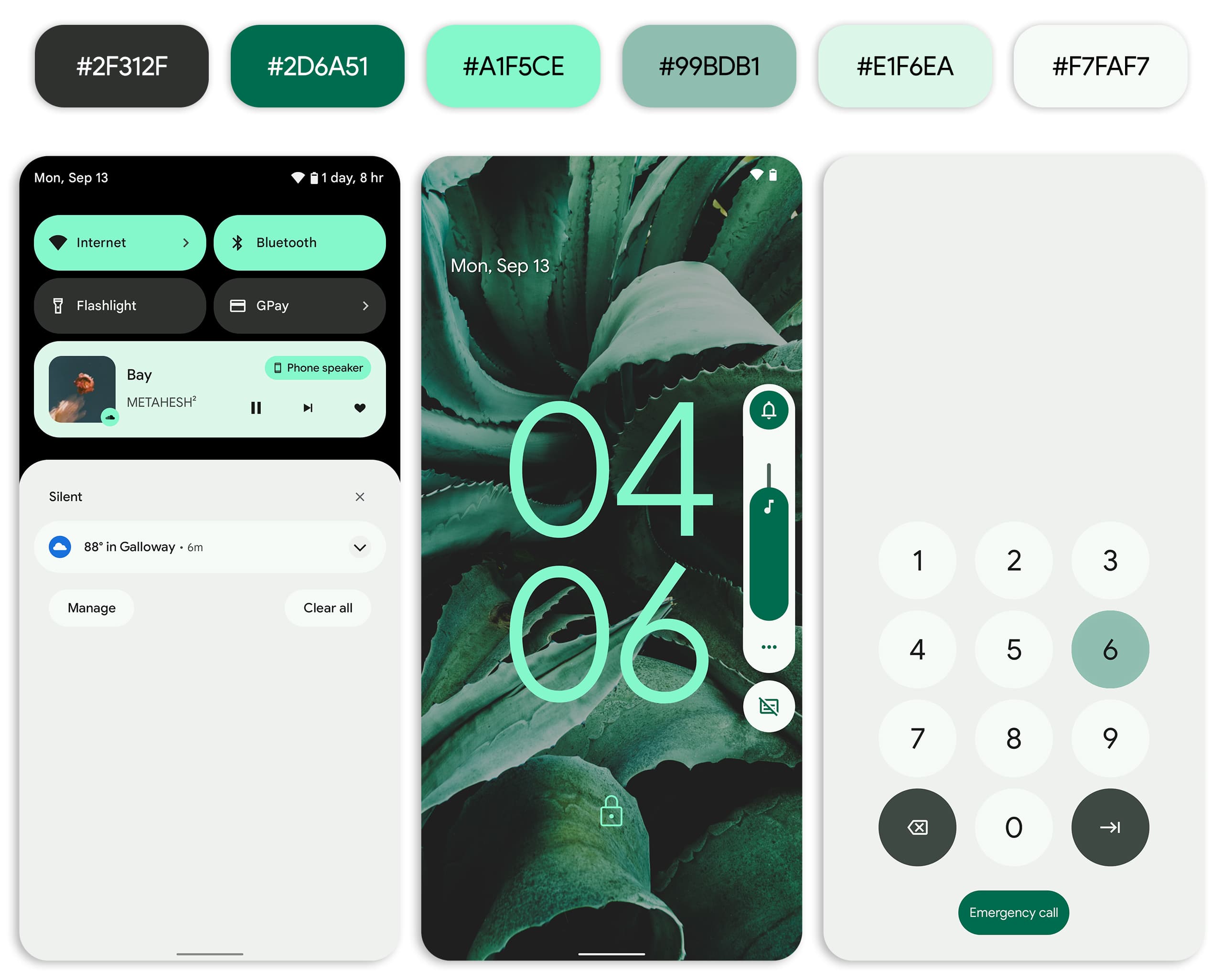
Material You (Android 12)
System-wide dynamic color extraction engine (Monet) that automatically adapts color palettes, contrast, and UI components based on the user's wallpaper.
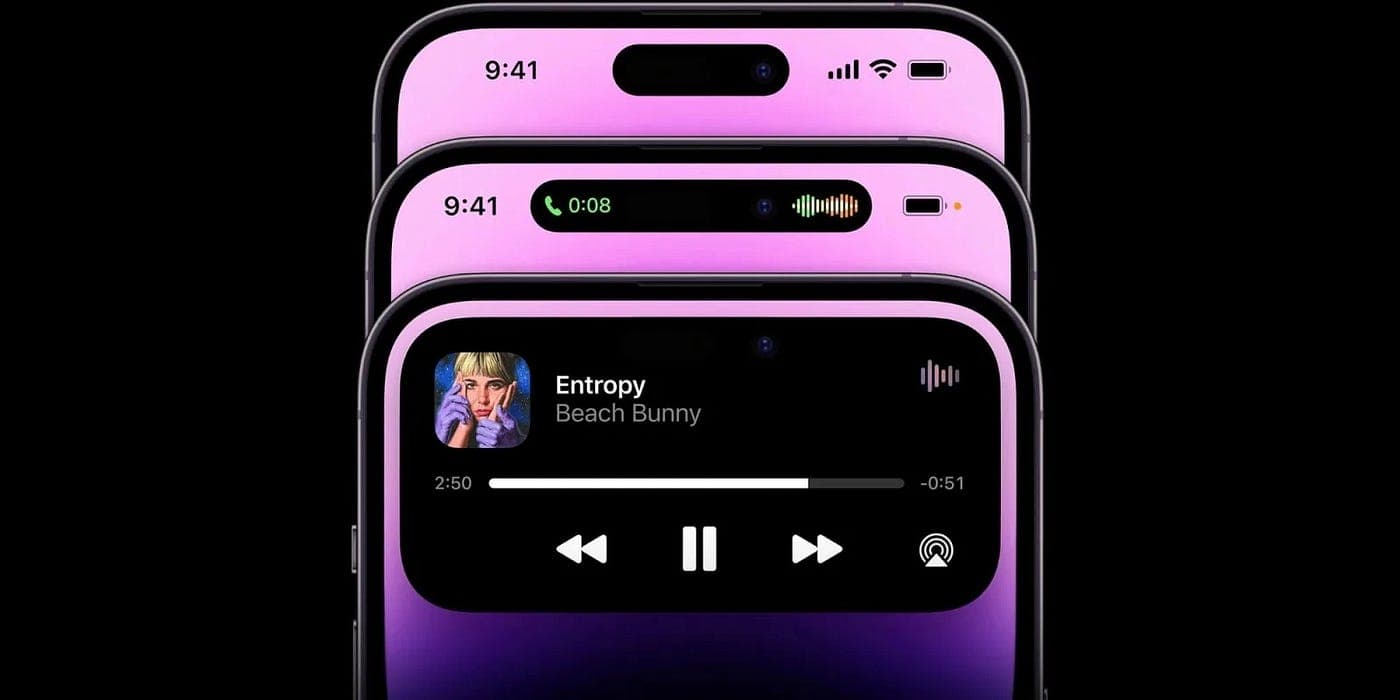
Apple Dynamic Island (iOS 16+)
Hardware-software fluid interface that morphs the camera cutout into real-time adaptive UI state containers for background activities and live notifications.
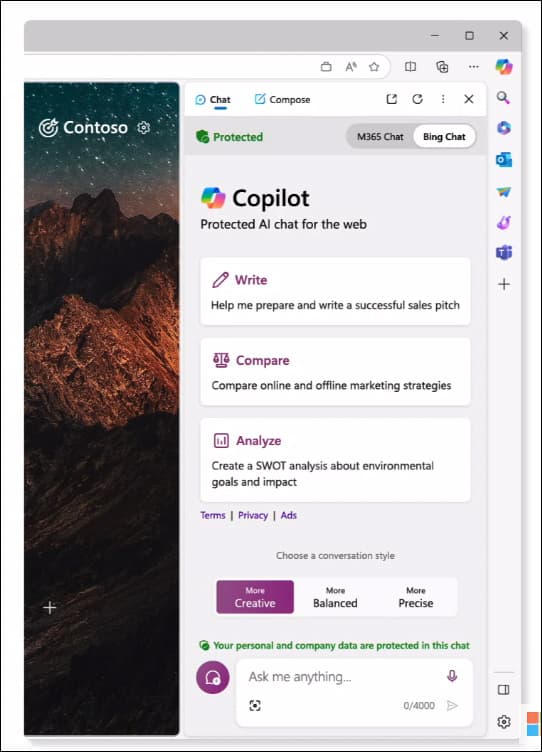
Microsoft Copilot Sidebar
Context-aware AI side panel that dynamically adapts its prompts, action suggestions, and output format based on the active document, spreadsheet, or workspace view.
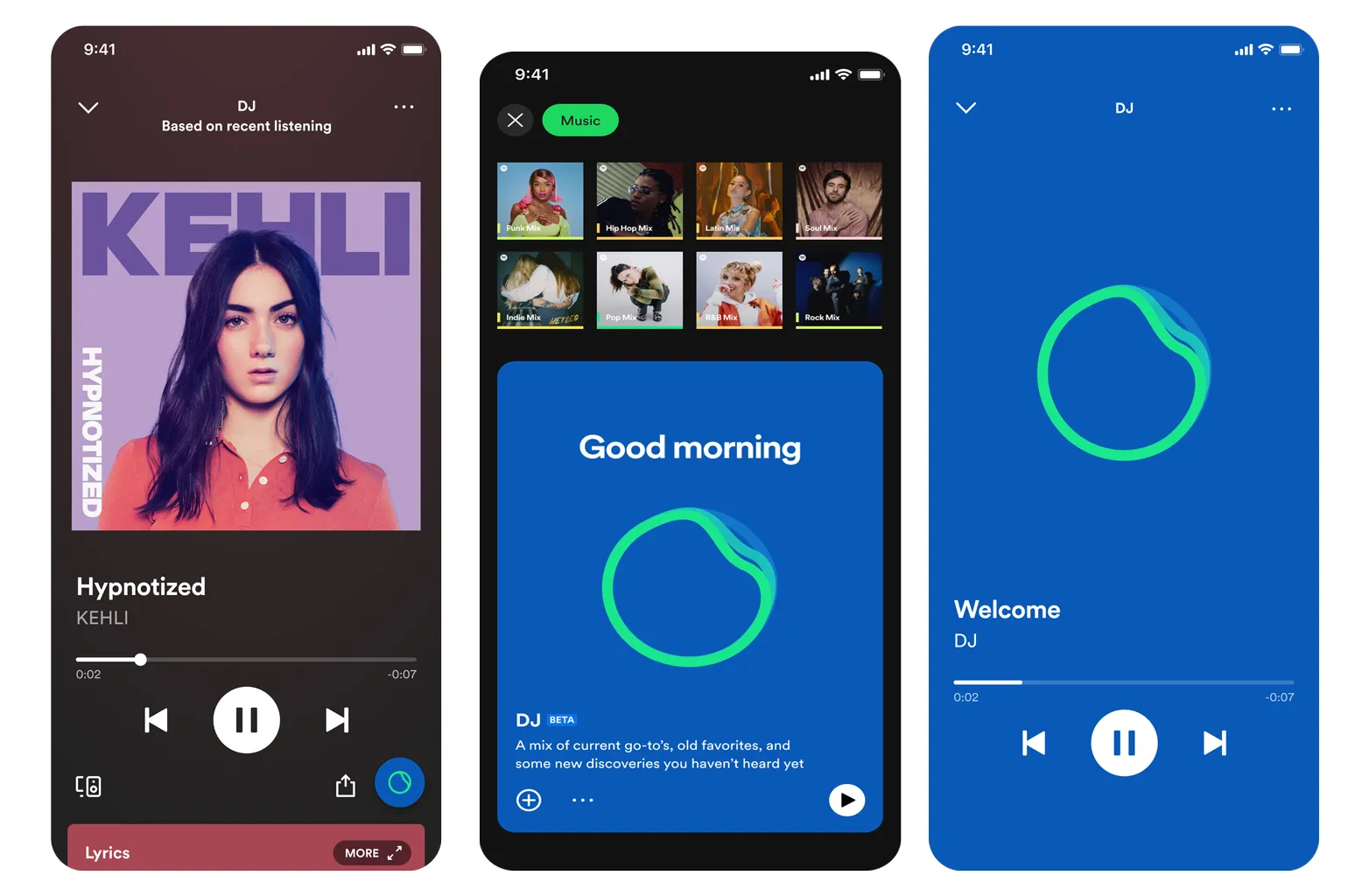
Spotify AI DJ
Voice-driven adaptive music interface featuring a morphing visualizer ring that changes dynamic states, colors, and commentary based on listening context and genre shifts.

Arc Browser
Space-driven adaptive browser layout featuring dynamic split views, auto-organizing sidebars, and theme engine adaptations tailored per project workflow.
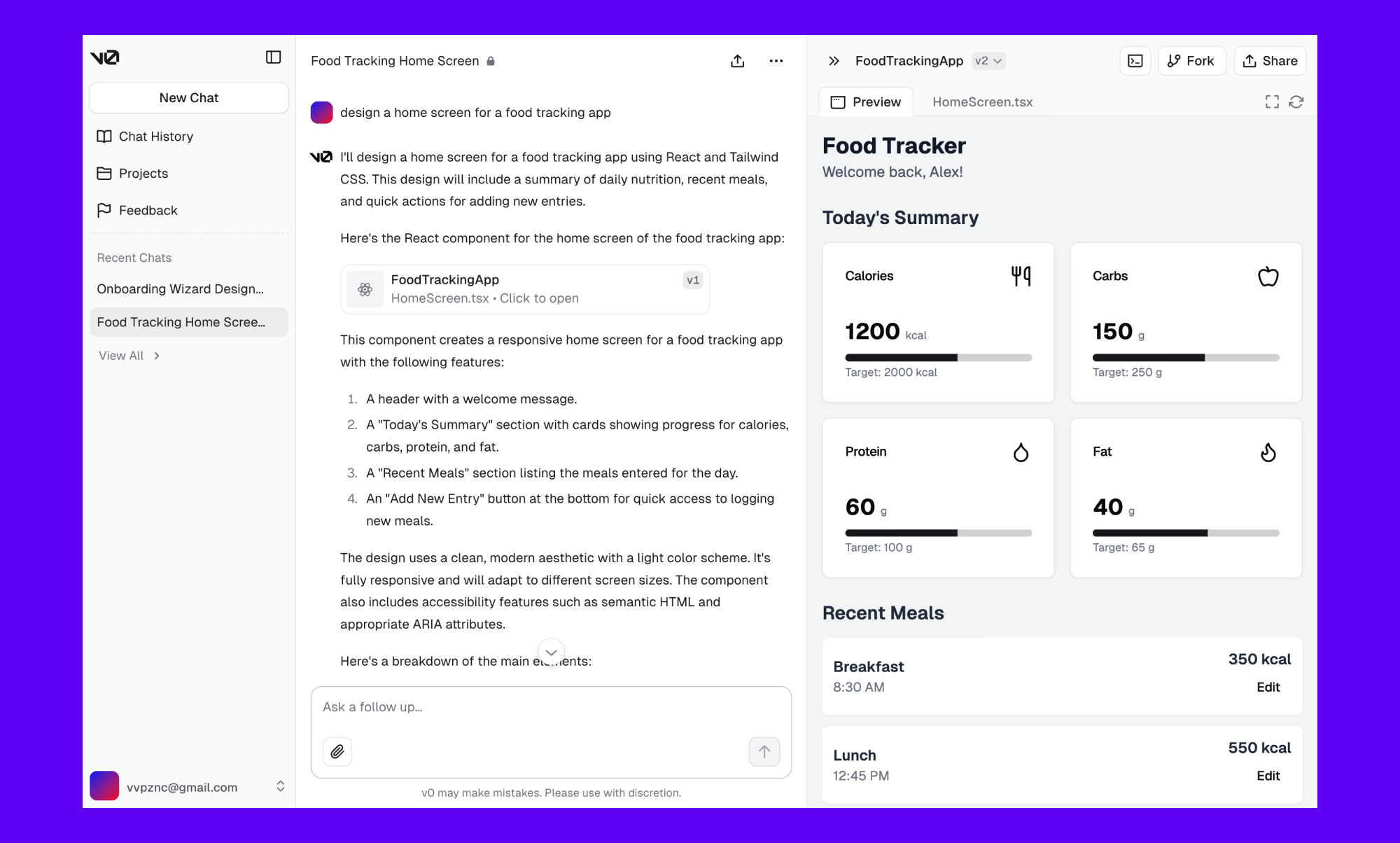
v0 Generative UI (Vercel)
AI-first component generation workspace that dynamically streams tailored React/Tailwind UI layouts in real-time from natural language prompts.
Historical Background
Adaptive AI UI represents a speculative but increasingly discussed future of interface design. Rather than presenting the same layout to every user, AI systems would analyze context — device, environment, task urgency, cognitive load, accessibility needs — and restructure the interface in real time. Early signals include generative UI research, CSS container queries, View Transitions API, and AI copilots that rearrange dashboards. This concept challenges the static design systems that dominated the 2010s and 2020s.
Timeline
- 2024
Generative UI research accelerates
Labs explore AI-generated interface layouts based on natural language descriptions.
- 2025
Context-aware copilots emerge
AI assistants begin restructuring workspace layouts based on user workflow patterns.
- 2026
Adaptive UI concepts go mainstream
Design conferences and product roadmaps discuss self-modifying interfaces as a near-future reality.
Major Companies & Products
Google DeepMind
CompanyResearch into generative interfaces and AI-driven layout optimization.
Microsoft Copilot
ProductEarly steps toward context-aware UI adaptation across Office and Windows.
Figma AI features
ProductDesign tool exploring AI-assisted layout generation and design system adaptation.
View Transitions API
ProductBrowser technology enabling smooth morphing between interface states.
Key Visual Characteristics
Morphing layouts that restructure based on context
Ambient glow and gradient atmospheres
Translucent, layered surfaces
Dynamic density — compact vs. spacious modes
Personalized color systems derived from context
Fluid motion between interface states
Why It Became Popular
- Frustration with static UIs: Moving past one-size-fits-all layouts toward hyper-personalized, context-aware interfaces.
- AI makes personalization feasible: Modern models can finally infer intent, device context, and workflow patterns in real time.
- Accessibility demand: Advocates have long requested interfaces that adapt to cognitive load, motor ability, and sensory needs.
- Magical, personal chrome: The promise of UIs that feel bespoke — density, color, and hierarchy reshaped per user and moment.
Why It Declined
Not a decline yet — open challenges for a still-emerging concept.
- Spatial memory loss: When layouts continuously morph, muscle memory breaks and users lose orientation.
- Unpredictable UI shifts: Self-modifying chrome undermines predictability — the foundation of learnable software.
- Context & privacy risk: Reading environment, intent, and accessibility signals raises hard questions about surveillance.
- Infinite-state testing: QA and design systems struggle when every session can produce a unique layout topology.
Legacy & Long-Term Impact
Even as a concept, adaptive AI UI is shifting how designers think about systems. Static component libraries may give way to constraint-based design rules that AI interprets. Accessibility-first adaptation could finally make inclusive design scalable. The era challenges whether “design eras” themselves will remain a useful framework.
- Constraint-based systems: Static component libraries may yield to rulesets that AI interprets into layout at runtime.
- Scalable inclusive design: Accessibility-first adaptation could finally make inclusive interfaces the default, not an afterthought.
- Era framework challenged: If UIs self-modify continuously, “design eras” themselves may stop being a useful historical lens.
- Ambient computing horizon: Adaptive AI UI may evolve into environmental interfaces where screens become optional.
What Replaced It
Unknown — adaptive AI UI may itself evolve into ambient computing interfaces where screens become optional and interaction is environmental.
Famous Examples
Generative UI prototypes
2025
Research demos showing AI creating custom dashboards from natural language.
Apple Intelligence UI hints
2024
Context-aware suggestions and adaptive notification summaries.
Spatial computing interfaces
2024
Vision Pro and Meta Quest explore layouts that adapt to physical space.
Interesting Facts
Adaptive UI was predicted in science fiction decades before it became technically plausible.
The biggest design challenge is maintaining user muscle memory while layouts change.
Some researchers argue “adaptive UI” will make traditional UX testing obsolete.
CSS Houdini and container queries are foundational technologies enabling adaptive layouts.